

Should I Pay Off My Mortgage? Pros, Cons & Expert Advice
 James Carter · Certified Financial Planner·June 2025·8 min read
One of the biggest financial decisions a homeowner faces is this: should I pay off my mortgage? The idea of being completely debt-free feels incredibly freeing — no more monthly payments, no more interest. But is it always the smartest financial move? Not necessarily.
In this guide, we break down the real benefits, the hidden trade-offs, and the key questions you should ask before sending extra money to your lender.
📺 Watch: Should You Pay Off Your Mortgage Early? (Financial Expert Explains)
Why People Want to Pay Off Early
For most homeowners, the mortgage is their single largest monthly expense. Eliminating it means freeing up hundreds — sometimes thousands — of dollars every month. Beyond the numbers, there’s a powerful emotional benefit: owning your home outright brings genuine peace of mind.
Many people approaching retirement especially feel this pull. Entering your post-work years without a mortgage payment dramatically reduces the income you need to cover living expenses.
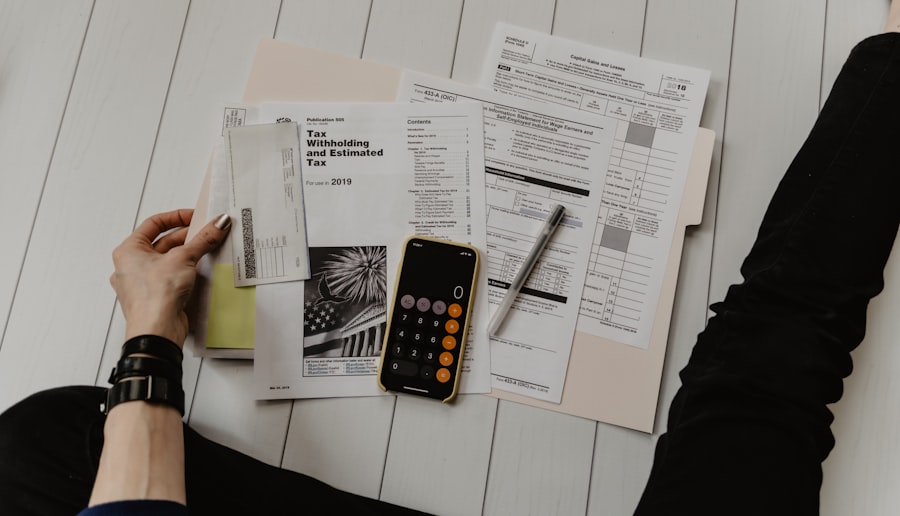
✅ Pros of Paying Off Your Mortgage Early
- Save tens of thousands in interest: On a $250,000 loan at 5% over 30 years, you pay over $230,000 in interest alone. Paying early cuts a huge chunk of that.
- Improved monthly cash flow: Once the payment is gone, that money is yours — to invest, save, or enjoy.
- Reduced financial risk: No mortgage means job loss or economic downturns are far less threatening to your home security.
- Full ownership: You own the asset outright, giving you complete control and legal clarity.
- Peace of mind: Countless homeowners describe becoming mortgage-free as a life-changing emotional relief.
❌ Cons of Paying Off Early
You May Lose Investment Returns
If your mortgage rate is 4% but the stock market historically returns 7–10% annually, investing extra cash may produce better long-term results than paying down your loan. It’s a mathematical trade-off worth calculating carefully.
You sacrifice liquidity.
Home equity is not easily accessible in an emergency. If you pour every spare dollar into your home and then face a medical crisis or job loss, you may struggle to access those funds quickly.
Prepayment Penalties
Some older mortgage contracts include a prepayment penalty — a fee for paying off the loan early. Always check your loan agreement before making large extra payments.
🤔 Key Questions to Ask Yourself First
- Do I have a fully-funded emergency fund covering 3–6 months of expenses?
- Am I free of high-interest debt (credit cards, personal loans)?
- Am I maximizing my retirement contributions (401k, IRA, pension)?
- What is my mortgage interest rate compared to potential investment returns?
- How important is financial peace of mind versus growing wealth?

💡 Expert Tips
- Use a free mortgage payoff calculator to see exactly how much extra payments save you in interest.
- Talk to a certified financial advisor before changing your payment strategy.
- Prioritize high-interest debt (anything above 7%) before making extra mortgage payments.
- Check your loan agreement for any prepayment penalty clauses before sending extra money.
- Think about your timeline — are you near retirement, or do you have 20+ working years ahead?
❓ Frequently Asked Questions
Conclusion
Should you pay off your mortgage? The honest answer: it depends on your financial situation, your interest rate, your other goals, and your risk tolerance. There is no single right answer for everyone.
For many homeowners, a balanced approach — making small extra payments while continuing to invest and save — hits the sweet spot. The most important first step is to run your numbers and speak with a qualified financial advisor.
🏠 Ready to Make Your Mortgage Work For You?
Use a free mortgage payoff calculator to see exactly how much you could save — then subscribe for weekly financial tips written in plain English.
Calculate My Savings →